


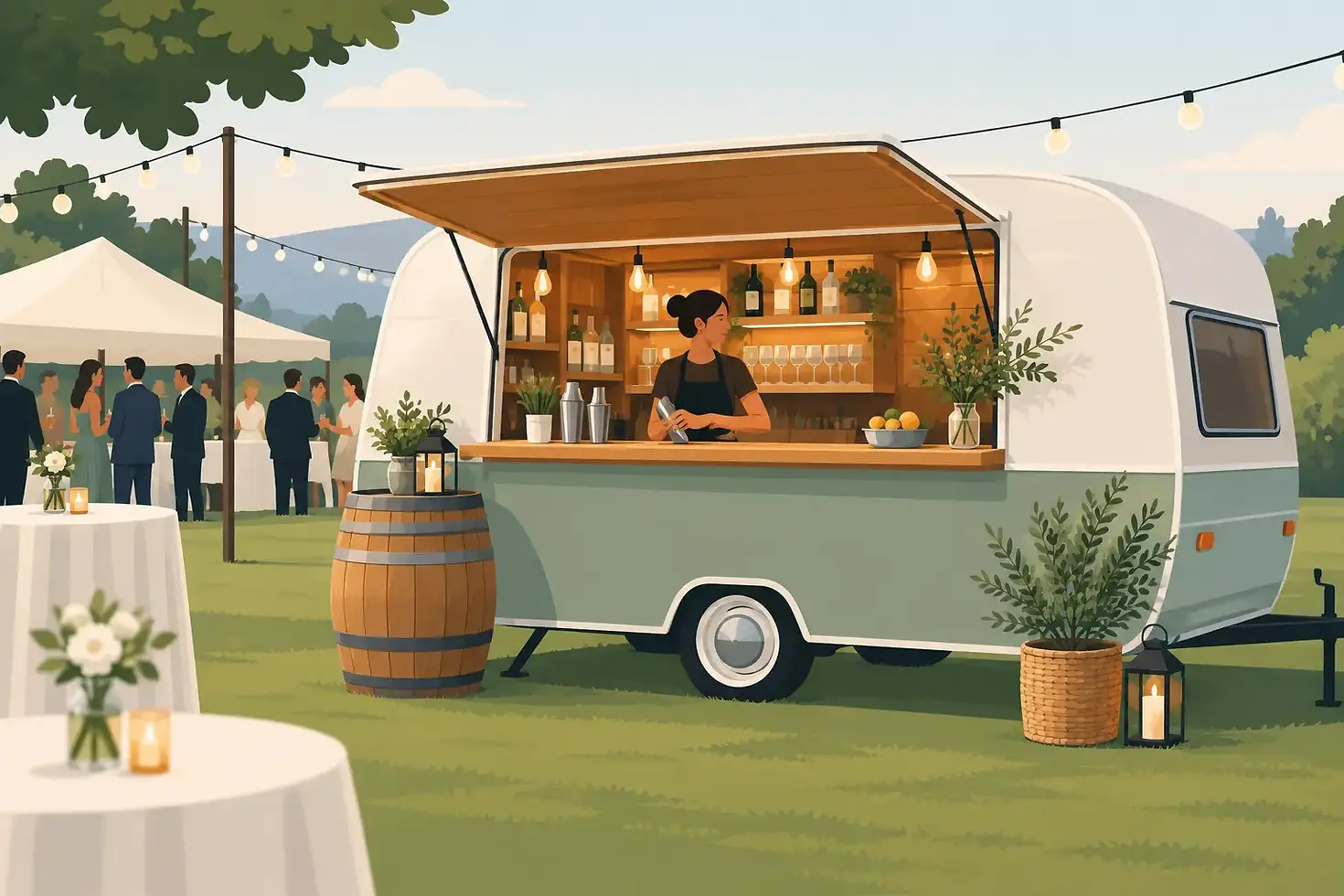
Caravan Mobile Bar Conversion Made for Events
A good caravan mobile bar conversion has to do more than look great in event photos. It needs to serve quickly, travel safely, cope with busy hands and wet weather, and still feel like a memorable part of the celebration. That is where a tired vintage caravan can become a real business asset - with the right planning behind the paint colour, timber bench and brass tapware.
For wedding stylists, caterers, venue operators and start-up bar businesses, the appeal is clear. A well-finished caravan brings instant character to a paddock wedding, brewery launch, market, corporate activation or backyard party. But the conversions that work best are designed from the inside out, beginning with the way your team will actually operate on the day.
Start with the caravan, not the mood board
Vintage caravans have charm, but they can also hide water damage, tired framing, rust, old wiring and poorly repaired sections. Before choosing tiles, signage or a service hatch location, the caravan needs a thorough assessment of its structure, chassis, floor and exterior shell.
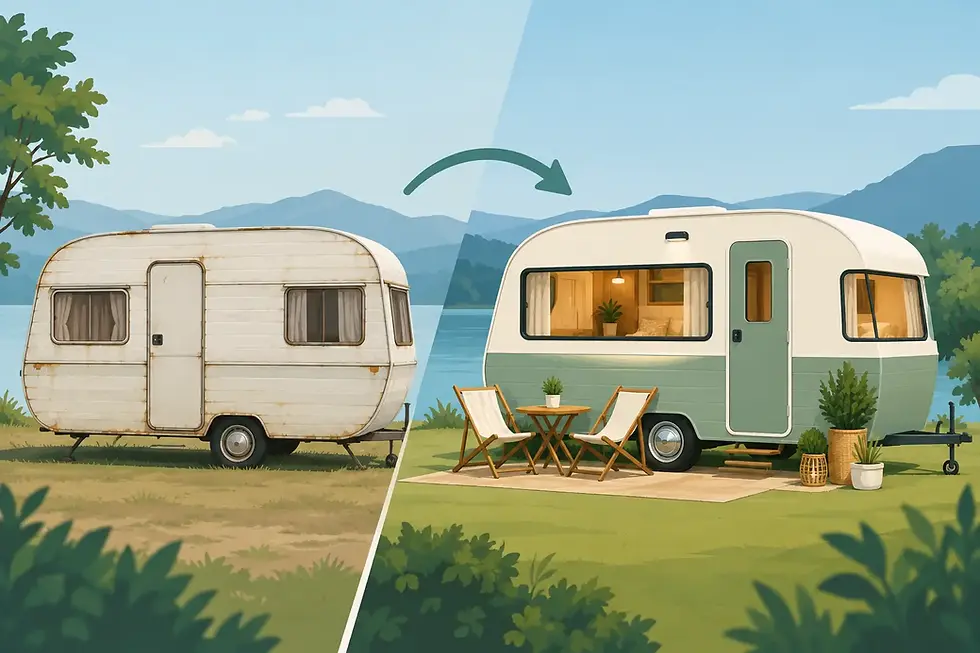
A caravan that has spent years parked in the weather may need resealing, timber replacement, panel repairs or an exterior respray before it is ready for commercial use. This is not the glamorous part of a conversion, but it protects the investment. A beautiful bar front is of little value if the floor is soft underfoot or rain finds its way into the walls.
Weight matters too. Refrigeration, cabinetry, water tanks, batteries, inverters and stock all add up. The layout and materials should suit the caravan’s carrying capacity and intended towing setup. In some cases, a lighter fit-out with carefully planned storage is the smarter choice than heavy benchtops and oversized appliances.
Design the service area around real events
The best mobile bars feel relaxed to guests because the working area behind the counter is organised. Think through the full service sequence: where stock enters, where drinks are chilled, where glassware or cups are stored, where waste goes, and how staff move when two people are working at once.
A wide serving hatch creates a welcoming focal point, but it also needs to suit the interior layout and the caravan’s existing structure. The counter height should be comfortable for staff and customers, while the hatch door needs secure latches, weather seals and a practical awning solution. At an outdoor event, that hatch becomes your shopfront, shade and first impression.
Bench space is often underestimated. There should be room to prepare drinks without placing bottles, garnishes and payment equipment on top of each other. Under-bench fridges, drawers and shelving can keep the visual side of the bar clean while putting essentials within easy reach. If you are serving coffee as well as cocktails, allow for the larger equipment, water requirements and heat generated by machines.
Choose finishes that can handle work
A caravan bar can absolutely have personality. Retro laminates, painted cabinetry, checkerboard flooring, warm timber and a fresh exterior colour can turn an ordinary van into something guests want to photograph. The finish still needs to earn its place in a commercial setting.
Hard-wearing, wipeable surfaces are easier to maintain after a muddy festival or a long run of wedding weekends. Cabinet doors need quality hinges and catches that stay shut in transit. Flooring should cope with spills and regular cleaning, while exterior paint and signage need to stand up to road use and changing weather.
This is where a considered renovation pays off. You can retain the rounded windows, vintage profile and little details that give an old caravan its charm, while replacing the worn components that make it hard to use. The aim is not to make every caravan look the same. It is to create a bar that feels unmistakably yours and works like a professional workspace.
Power, water and safety need early decisions
Electrical and plumbing choices affect almost every part of a caravan mobile bar conversion. Leaving them until the end can mean reopening walls, changing cabinetry or compromising the layout.
Your power needs will depend on the service you offer. A simple drinks bar may require refrigeration, lighting, a point-of-sale system and charging points. A coffee setup, frozen drinks machine or larger refrigeration load will need more careful planning. A properly installed 240V system, 12V system, battery storage, solar support or suitable external connection can make the difference between a reliable event setup and a stressful one.
Lighting deserves attention as well. Task lighting helps staff work after dark, while warm feature lighting helps the caravan look inviting from across an event site. Separate circuits can be useful so the bar does not go dark if one item needs attention.
Water supply, a sink and waste-water management should be planned around the type of drinks and food handling involved. Requirements can vary depending on the local council area, event organiser, menu and whether you are operating as a food business. Check the approvals, registration, hygiene and service requirements that apply before locking in the build. A practical workshop can prepare the caravan fit-out, but the operator remains responsible for ensuring the finished business meets the rules for each location and event.
Think about towing and setup day
A mobile bar spends part of its life on the road, not just parked under fairy lights. Every cupboard, fridge, shelf and decorative item needs to be secure for travel. Doors need positive catches, loose equipment needs a home, and the towing gear, tyres, brakes and lights must be in sound condition.
Set-up should be straightforward enough that your team can arrive, position the caravan, open the hatch and start preparing without a long troubleshooting session. External power access, water connections, stabiliser points and storage all need to be easy to reach. If the caravan will attend regional weddings or multi-day events, consider how you will protect it overnight and where spare stock, cleaning equipment and signage will travel.
The look of the caravan also needs to work when it is closed. A clean exterior, thoughtful branding and a tidy rear entry make the business look professional from every angle. Small details such as exterior lighting, a fold-down shelf or a protected menu board can add genuine value, provided they do not complicate towing or setup.
Set a budget that protects the important work
Conversion budgets vary widely because every starting caravan and business model is different. A sound caravan needing a light interior refit will be a very different project from a full vintage restoration with structural repairs, new electrical systems, refrigeration, custom cabinetry and exterior paintwork.
It helps to separate the non-negotiables from the nice-to-haves. Structural repairs, safe electrical work, water management, secure cabinetry and reliable refrigeration deserve priority. Decorative upgrades can then be tailored to the remaining budget. Sometimes a simpler interior palette with a striking exterior colour and well-designed signwriting creates more impact than trying to include every trend.
Allow a contingency for what is found once old linings, flooring or cabinetry come out. Older caravans can hold surprises, particularly around windows, roof seams and corners. Clear communication during this stage matters. You should understand what has been found, what it means for the project, and the practical options before work moves ahead.
Work with people who understand caravans
A mobile bar is not simply a cabinet build inside a trailer. It is a caravan restoration, a hospitality workspace and a moving piece of your brand all at once. That calls for tradespeople who can assess damage, repair the shell, plan electrical and plumbing work, build the interior and keep the finished van true to your vision.
At Palace Caravans, each project begins with the condition of the van and the way the owner wants to use it. Whether you are preserving a classic caravan’s character or building a bold new events business, the strongest result comes from practical advice, realistic budgeting and craftsmanship that holds up beyond opening night.
Your bar should feel exciting when it rolls into its first event, but it should also feel easy to operate on its fiftieth. Build for the queues, the weather, the road and the clean-up - then let the colour, finishes and vintage charm make it your little Palace.


Comments