


Vintage Caravan Restoration NSW Done Properly
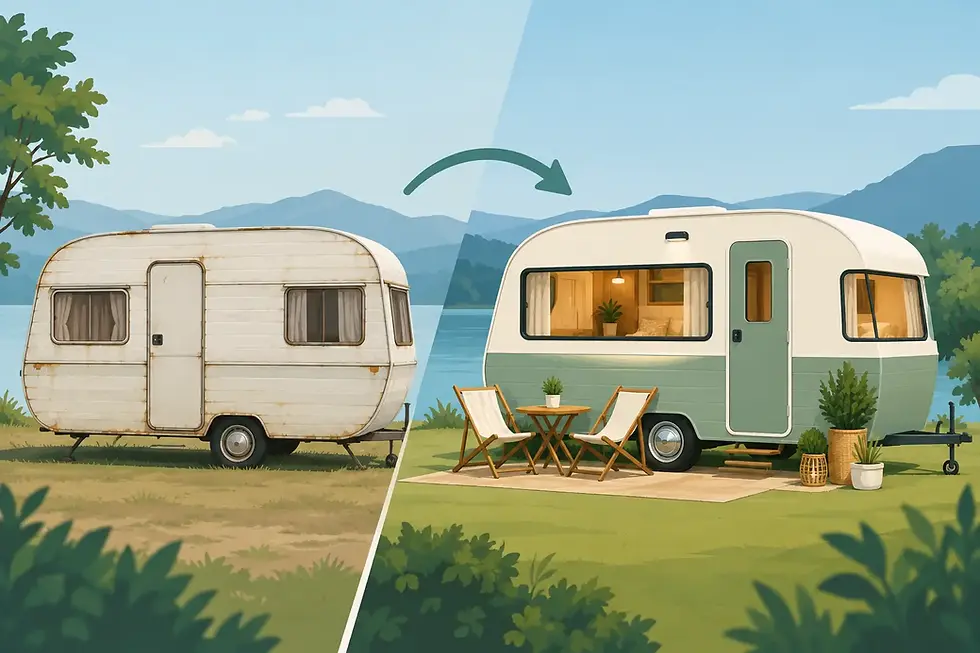
A vintage caravan can look charming from the kerb, then reveal a soft floor, leaking window seals and tired wiring the moment work begins. That is why vintage caravan restoration NSW should start well before choosing paint colours, cushions or a new benchtop. The best transformations protect the character that made the van worth saving while making it safe, dry, practical and ready for the way you actually want to use it.
For some owners, that means bringing a cherished family caravan back for weekends away. For others, it means turning a dated onsite van into a bright little retreat, or creating a polished mobile bar for events. The finished look may be different, but the restoration process should be built on the same foundation: careful assessment, quality repairs and a clear plan.
Start with the caravan's condition, not its cosmetics
Vintage caravans were built with materials and construction methods that deserve close inspection. A beautiful retro shell can hide years of water entry behind cladding, around windows, roof joins, vents and doors. Once moisture reaches timber framing or flooring, it can cause rot, mould, movement and corrosion that need attention before any interior fit-out begins.
A proper inspection looks at the whole caravan, including the chassis, drawbar, suspension, brakes, wheels, floor, walls, roof, windows, external seals and electrical systems. It should also consider how the van has been stored. A caravan that has sat under trees on the Central Coast or near the coast can have very different issues to one kept inland under cover. Salt air, UV exposure and prolonged damp weather all leave their mark.
This early stage is where owners get the clearest picture of what is essential, what is worthwhile and what can wait. It is tempting to focus on the visible transformation, but a fresh respray over failed sealant or a new vinyl floor over soft timber only postpones a bigger repair.
Vintage caravan restoration NSW: repair in the right order
The order of work makes a major difference to both the result and the budget. Structural and weatherproofing work comes first. That can include repairing damaged framing, replacing sections of floor, rebuilding wall areas, treating corrosion, repairing roof damage and resealing external joins.
Once the caravan is dry and sound, attention can move to systems and finishes. Electrical wiring, lighting, 12V batteries, solar, charging, appliances and 240V work should be planned around the new layout rather than added as an afterthought. If you want off-grid capability, air-conditioning, a larger fridge or more power points, those decisions affect cabinetry, storage and access panels.
Then comes the satisfying part: walls, ceiling finishes, flooring, cabinetry, upholstery, paint, hardware and styling. Completing the hard work first means the finished interior is not pulled apart later to reach a leak, cable or weakened wall.
A good workshop will explain these stages in plain language, show where the issues are and talk honestly about the trade-offs. Not every caravan needs a full strip-back. Equally, some vans need more than a cosmetic renovation to become dependable again. The right scope depends on the condition of the caravan, its intended use and the budget available.
Keep the retro character without keeping the compromises
Restoring a classic caravan does not mean living with every old limitation. The aim is often to retain the details that give it personality while updating what makes it uncomfortable, impractical or unreliable.
Original windows, curved cabinetry, period exterior lines and vintage badges can be worth preserving where they are in good condition. They are part of the story of the van. But dark wall coverings, cramped storage, damaged laminate, worn cushions and poor lighting can usually be reconsidered without losing that character.
Colour has a powerful role in a vintage renovation. Soft pastels, warm whites, earthy greens, checked fabrics and timber accents can suit a retro van beautifully, while a clean exterior colour scheme can make the whole caravan feel newly purposeful. The best choices are not always the trendiest ones. They should work with the caravan's shape, the amount of natural light and whether it will be used at a holiday park, on private land or as a business asset.
Practical upgrades are often what owners appreciate most after the project is complete. More useful bench space, better drawers, easy-clean flooring, quality lighting and thoughtful storage can make a small caravan feel considerably larger. In an onsite van, an improved layout can turn a dark, unused space into somewhere family and friends genuinely want to spend time.
Plan the layout around real use
Before selecting finishes, think through a normal day in the caravan. Where will wet towels go? Is there room to prepare meals? Do you need a place for kids' clothes, fishing gear or a portable toilet? Will the caravan mostly be connected to mains power, or does it need to operate independently? These practical questions shape the renovation far more than a mood board alone.
A touring caravan needs secure storage, practical weight distribution and systems suited to regular road use. An onsite caravan may allow for a more residential feel, with additional seating, larger appliances or more permanent styling. A commercial conversion, such as a mobile bar, needs a layout that supports workflow, customer service, equipment access and a durable finish that stands up to busy events.
There are compromises in every compact space. A larger bed may reduce lounge seating. More solar and battery capacity can take up valuable storage. Retaining an original cupboard may limit the size of a modern fridge. These are not problems to avoid discussing. They are decisions that deserve good advice before work starts.
Choose materials that can handle caravan life
Caravans move, flex, heat up, cool down and collect dust, sand and moisture. Materials that look great in a house do not always suit a van. Cabinetry needs to be secure and properly finished. Flooring needs to cope with traffic, movement and occasional wet feet. Paint and exterior coatings need thorough preparation to last.
Waterproofing is particularly important. Window rubbers, roof seams, hatches, awnings and wall penetrations all need careful attention, especially after water damage or when a caravan has been sitting unused. Exterior resprays and resealing can give an older van a striking second life, but the preparation underneath is what protects that finish.
Electrical work also deserves specialist attention. Modernising a caravan may involve LED lighting, USB charging, solar panels, batteries, inverters, new appliances or air-conditioning. Planning these components together avoids awkward additions and helps create a system that suits how often you travel and where you stay. Any 240V work should be completed and checked by appropriately qualified professionals.
Set a budget with priorities, not wishful thinking
A restoration budget works best when it separates must-do repairs from nice-to-have upgrades. Water damage, safety concerns, brake issues and structural problems should sit at the top. After that, owners can decide where a renovation will have the biggest day-to-day impact, whether that is a new kitchen, an updated ensuite area, fresh upholstery or an exterior makeover.
It is also sensible to allow a contingency for what may be uncovered once linings, floors or cladding are removed. This is especially true with older caravans, where the full extent of past leaks is not always visible at the first inspection. Clear communication during the project is essential. You should know what has been found, why it matters and what the options are before additional work proceeds.
Palace Caravans approaches each project as a combination of repair work and personal vision, whether the caravan needs insurance repairs, a full vintage refit or a carefully staged renovation. The goal is not to make every van look the same. It is to create a finish that suits its owner and is built to be enjoyed.
Give your little Palace a purpose
The most successful vintage restorations have a clear purpose behind them. They are not simply old caravans made prettier. They become holiday bases, guest accommodation, a long-awaited family project, a roadside business or a quiet escape at the end of the week.
Start with the condition of the caravan, be realistic about the work beneath the surface and keep the original charm where it earns its place. With thoughtful planning and careful workmanship, an ageing van can become a dependable, comfortable little Palace with many more stories ahead of it.


Comments